Tag: decision-making

  • Multi-Modal AI Systems: Combining Text, Image, and Audio Understanding

    Multi-Modal AI Systems: Combining Text, Image, and Audio Understanding

    Introduction: AI That Sees, Hears, and Understands

    For decades, AI systems specialized in one thing at a time.

    • Text models processed language.
    • Vision models analyzed images.
    • Speech models handled audio.

    But humans don’t process the world in isolated channels. We combine what we see, hear, and read into a unified understanding.

    Now, AI is beginning to do the same.

    Welcome to the era of multi-modal AI — systems that combine text, image, audio, and sometimes video into a single integrated intelligence.

    This is one of the most important frontiers in AI research and architecture today.

    What Is Multi-Modal AI? (Simple Explanation)

    Multi-modal AI refers to artificial intelligence systems that can process and understand multiple types of data simultaneously.

    Instead of working with just text or just images, these systems combine:

    • Natural language
    • Visual information
    • Audio signals
    • Structured data
    • Sometimes sensor input

    In simple terms:

    Multi-modal AI systems learn from more than one type of input — just like humans do.

    Why Multi-Modal Learning Matters

    Real-world environments are multi-modal.

    Consider a few examples:

    • A doctor examines medical images and reads patient reports.
    • A self-driving car processes camera footage, radar signals, and GPS.
    • A customer support agent reads chat messages while listening to tone and reviewing screenshots.

    AI systems that rely on a single modality miss context.

    Multi-modal learning bridges that gap.

    How Multi-Modal AI Works (High-Level Architecture)

     How Multi-Modal AI Works

    At its core, multi-modal AI involves three major components:

    Modality-Specific Encoders

    Each data type has its own processing model:

    • Text → Transformer-based language model
    • Image → Vision Transformer (ViT) or CNN
    • Audio → Spectrogram encoder or audio transformer

    Each encoder converts input into embeddings (numerical representations).

    Fusion Layer

    The embeddings from each modality are combined.

    This can happen in three ways:

    Fusion TypeDescription
    Early FusionCombine raw features early
    Late FusionCombine model outputs
    Hybrid FusionMulti-stage combination

    Most frontier models use hybrid fusion.

    Joint Reasoning Layer

    After fusion, a shared reasoning engine processes the combined representation.

    This allows the model to:

    • Connect visual objects to text
    • Align speech tone with content
    • Detect cross-modal patterns

    Popular Multi-Modal AI Architectures

    Several frontier AI systems are built on multi-modal architectures.

    Examples:

    • CLIP (image + text alignment)
    • GPT-4 multimodal
    • Gemini (text, image, code, audio)
    • Flamingo (visual + language reasoning)
    • DALL·E (text → image generation)

    These systems demonstrate how combining modalities increases contextual intelligence.

    Real-World Applications of Multi-Modal AI

    Let’s explore where multi-modal AI is already making impact.

    Case Study 1: Medical Diagnosis AI

    Problem

    Doctors rely on:

    • Radiology images
    • Lab reports
    • Patient notes
    • Audio recordings of symptoms

    Traditional AI models analyze only one source.

    Multi-Modal Solution

    A hospital deployed a multi-modal AI system that:

    • Processes X-ray images
    • Reads clinical notes
    • Analyzes patient speech patterns
    • Integrates structured health data

    Results

    • 15–20% improvement in diagnostic accuracy
    • Faster triage decisions
    • Better risk detection for complex conditions

    Why It Worked

    The AI connected:

    • Visual anomalies in images
    • Symptom descriptions in text
    • Vocal stress signals in speech

    This multi-source reasoning improved outcomes.

    Case Study 2: Autonomous Driving Systems

    Autonomous Driving Systems

    Self-driving cars are classic multi-modal AI systems.

    Inputs:

    • Camera images
    • Radar signals
    • LiDAR data
    • GPS
    • Real-time map updates

    Architecture

    Each sensor has its own encoder.
    The system fuses these representations to:

    • Detect objects
    • Predict motion
    • Plan routes

    Key Insight

    If a camera view is blocked by fog, radar compensates.
    Multi-modal redundancy improves safety.

    Case Study 3: Customer Experience AI

    A major telecom company deployed multi-modal AI for customer service.

    Inputs:

    • Text chat logs
    • Voice call recordings
    • Account usage data
    • Screenshot uploads

    What the AI Did:

    • Analyzed customer tone (audio)
    • Understood complaint details (text)
    • Reviewed error screenshots (image)
    • Checked account patterns (data)

    Outcome:

    • 35% reduction in escalation rate
    • Faster resolution time
    • Higher customer satisfaction

    Why Multi-Modal AI Is More Powerful

    Single-modality models miss signals.

    Example:

    If someone says:

    “I’m fine.”

    Text alone suggests no issue.
    But voice tone might reveal stress.
    Facial expression might show anxiety.

    Multi-modal AI captures this deeper context.

    Technical Deep Dive: Multimodal Learning Strategies

    For AI developers, here’s how multi-modal systems are typically built.

    1️⃣ Shared Embedding Space

    Text and images are mapped into the same vector space.

    Example:

    • Image of a dog
    • Text “a brown dog running”

    The embeddings align closely.

    This is how models like CLIP work.

    2️⃣ Cross-Attention Mechanisms

    Transformers allow:

    • Text attending to image regions
    • Audio attending to text tokens

    Cross-attention enables deep multi-modal reasoning.

    3️⃣ Contrastive Learning

    Models learn by matching positive pairs and separating negatives.

    Example:

    • Correct caption-image pair → close
    • Incorrect pair → far apart

    4️⃣ Multi-Task Learning

    Train the model on multiple objectives:

    • Image classification
    • Text generation
    • Speech recognition

    This improves generalization.

    Challenges in Multi-Modal AI

    Despite the progress, multi-modal systems face serious challenges.

    1️⃣ Data Alignment

    Pairing text, images, and audio correctly is difficult.

    2️⃣ Compute Cost

    Multi-modal models require massive GPU resources.

    3️⃣ Modality Imbalance

    Some modalities dominate others.

    4️⃣ Missing Modality Problem

    What if one input type is absent?

    Developers must design architectures robust to missing data.

    The Future of Multi-Modal AI

    INFOGRAPHIC

    Multi-modal AI is evolving toward:

    • Real-time multi-sensory agents
    • AR/VR AI companions
    • Robotics with unified perception
    • Multi-modal scientific discovery assistants

    Eventually, most frontier AI systems will be inherently multi-modal.

    Multi-Modal AI vs AGI

    Some researchers argue that multi-modal learning is a stepping stone toward AGI (Artificial General Intelligence).

    Why?

    Because human cognition is inherently multi-modal.

    AI that sees, hears, reads, and reasons simultaneously moves closer to general intelligence.

    🧩 Key Takeaways

    • Multi-modal AI integrates text, image, and audio understanding.
    • Fusion architectures enable cross-modal reasoning.
    • Real-world impact spans healthcare, driving, and enterprise systems.
    • Multi-modal learning improves contextual understanding.
    • Future AI systems will likely be inherently multi-modal.

    AI becomes more intelligent when it understands the world from multiple perspectives.

  • Agentic AI: The Rise of Autonomous Digital Workers

    Agentic AI: The Rise of Autonomous Digital Workers

    Introduction: From Assistive AI to Agentic AI

    For years, AI has played a supporting role — answering questions, recommending products, or automating simple tasks.
    But something fundamental is changing.

    We are now entering the era of Agentic AI — AI systems that don’t just respond to instructions, but set goals, plan actions, use tools, and execute tasks autonomously.

    These systems behave less like chatbots and more like digital workers.

    Instead of:

    “Tell me the answer.”

    Agentic AI works like:

    “Here’s the goal. Figure out how to achieve it.”

    This shift has profound implications for AI automation, productivity, and the future of work.

     What Is Agentic AI? (Simple Explanation)

    Agentic AI refers to AI systems designed as autonomous agents — capable of:

    • Understanding goals
    • Planning multi-step actions
    • Using tools (APIs, code, browsers, databases)
    • Making decisions based on feedback
    • Iterating until a goal is achieved

    In short:

    Agentic AI systems act, not just respond.

    They operate continuously, adapt to new information, and can manage complex workflows without constant human supervision.

     Agentic AI vs Traditional AI

    AspectTraditional AIAgentic AI
    RoleReactiveProactive
    ControlHuman-drivenGoal-driven
    Task TypeSingle-stepMulti-step
    Tool UseLimitedExtensive
    AutonomyLowHigh
    Feedback LoopMinimalContinuous

    Traditional AI answers questions.
    Agentic AI gets things done.

     How Agentic AI Systems Work

    Agentic AI

    An agentic AI system typically follows a loop:

    1. Goal Definition
      A high-level objective is provided.
    2. Planning
      The AI breaks the goal into steps.
    3. Tool Selection
      Chooses tools (APIs, databases, code execution).
    4. Execution
      Performs actions autonomously.
    5. Observation
      Evaluates results.
    6. Iteration
      Adjusts plan until success or termination.

    This is often called the agent loop.

     Core Components of Agentic AI

    1. Reasoning Engine

    Handles decision-making and planning logic.

    2. Memory System

    Stores context, past actions, and long-term knowledge.

    3. Tool Interface

    Allows the agent to interact with external systems.

    4. Feedback Mechanism

    Evaluates success and adapts behavior.

    5. Autonomy Guardrails

    Constraints to prevent harmful or inefficient actions.

     Why Agentic AI Is Gaining Momentum Now

    Several trends are converging:

    1. Advanced Large Language Models

    LLMs can now reason, plan, and summarize effectively.

    2. Tool-Calling Capabilities

    AI can use APIs, code interpreters, browsers, and databases.

    3. Cloud & API Ecosystems

    Everything is accessible programmatically.

    4. Enterprise Automation Demand

    Businesses want systems that operate 24/7.

    5. Cost Pressure

    Autonomous agents reduce operational overhead.

    Together, these forces make agentic AI practical — not theoretical.

     Autonomous Agents in the Real World

     Autonomous Agents in the Real World

    Let’s look at where agentic AI is already delivering value.

     Case Study 1: AI Agents for Market Research

    Problem

    Market research requires:

    • Data collection
    • Competitor analysis
    • Report synthesis

    This is slow and labor-intensive.

    Agentic AI Solution

    An autonomous research agent:

    • Scrapes public data
    • Analyzes trends
    • Summarizes insights
    • Generates reports

    Outcome

    • Research time reduced by 70%
    • Continuous market monitoring
    • Faster strategic decisions

    Key Insight:
    The agent works continuously — not just when prompted.

     Case Study 2: Autonomous Software Development Agents

    Problem

    Developers spend time on:

    • Debugging
    • Testing
    • Documentation
    • Code refactoring

    Agentic AI Solution

    AI agents:

    • Analyze codebases
    • Identify bugs
    • Write tests
    • Suggest improvements
    • Open pull requests

    Outcome

    • Faster development cycles
    • Reduced human fatigue
    • Higher code quality

    This marks the rise of AI junior developers.

     Case Study 3: Enterprise Workflow Automation

    Problem

    Enterprise workflows span multiple systems:

    • CRM
    • ERP
    • Analytics dashboards
    • Emails

    Manual orchestration causes delays.

    Agentic AI Solution

    Autonomous agents:

    • Monitor KPIs
    • Trigger actions
    • Send alerts
    • Update systems
    • Escalate exceptions

    Outcome

    • End-to-end automation
    • Real-time decision-making
    • Reduced operational cost

     Agentic AI in Scientific Research

    Researchers are using autonomous agents to:

    • Run experiments
    • Analyze results
    • Adjust hypotheses
    • Explore new ideas

    In some labs, AI agents already function as research assistants, accelerating discovery cycles.

     Challenges & Risks of Agentic AI

    Despite the promise, agentic AI introduces new risks.

    1. Loss of Human Oversight

    Highly autonomous systems may act in unexpected ways.

    2. Goal Misalignment

    Poorly defined objectives can lead to harmful outcomes.

    3. Security Risks

    Agents with tool access can cause damage if compromised.

    4. Ethical Concerns

    Who is responsible for autonomous decisions?

     Designing Safe & Responsible Agentic AI

    Best practices include:

    • Clear goal constraints
    • Permissioned tool access
    • Human-in-the-loop checkpoints
    • Audit logs
    • Kill-switch mechanisms

    Agentic AI should be autonomous — not uncontrolled.

     Agentic AI and the Future of Work

     Agentic AI and the Future of Work

    Agentic AI doesn’t eliminate jobs — it changes roles.

    Humans Shift Toward:

    • Strategy
    • Oversight
    • Creativity
    • Ethics
    • System design

    AI Takes Over:

    • Repetitive tasks
    • Monitoring
    • Execution
    • Optimization

    The result: Human-AI collaboration at scale.

     What Comes Next?

    Future developments include:

    • Multi-agent systems
    • AI-managed organizations
    • Autonomous DAOs
    • Self-optimizing companies
    • AI-driven economies

    Agentic AI is not just a tool — it’s a new operational paradigm.

     Key Takeaways

    • Agentic AI represents a shift from reactive to autonomous AI
    • Autonomous agents can plan, act, and iterate independently
    • Real-world use cases already exist across research, software, and enterprise
    • Governance and safety are essential
    • Agentic AI will redefine productivity and work
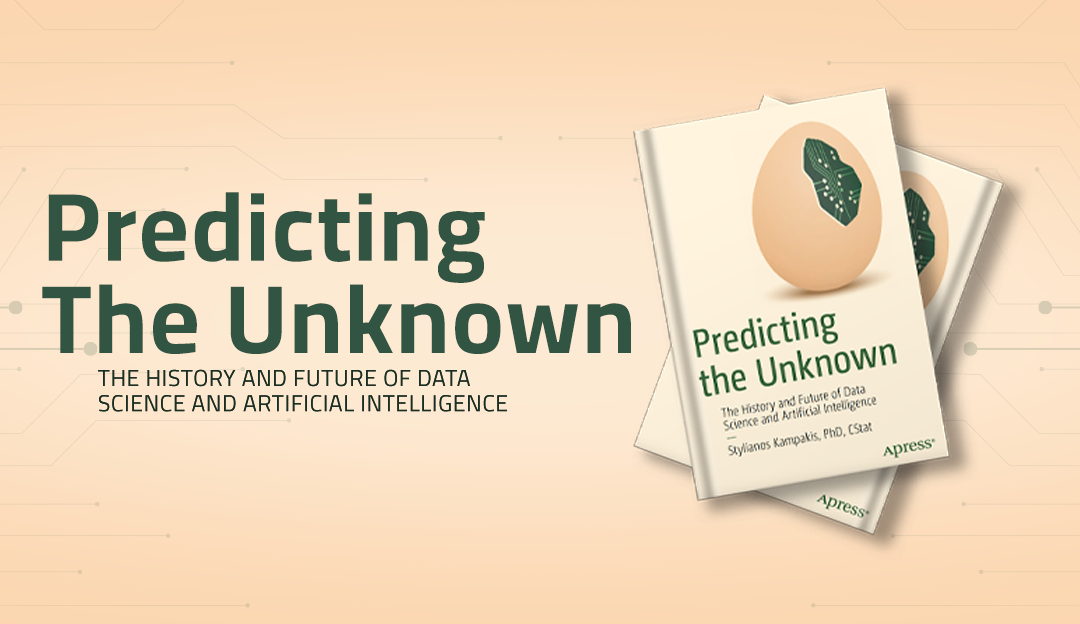
  • Book Presentation: Predicting The Unknown -The History of AI & Data Science

    Book Presentation: Predicting The Unknown -The History of AI & Data Science

    It is with immense joy and a sense of accomplishment that I introduce you to “Predicting the Unknown – The History of AI and Data Science” – a book that has been a labor of love, passion, and unwavering dedication. As the author, I am honored to share this work with all of you, and I couldn’t be prouder of this moment.

    ‘Predicting the Unknown’ is more than just a book to me; it is the culmination of years of exploration, research, and a deep fascination with the enthralling world of data science, machine learning, and artificial intelligence. In these pages, I endeavor to unravel the enigmatic mysteries of uncertainty and offer a glimpse into the boundless possibilities that these cutting-edge fields hold for our future.

    As the world increasingly embraces the data-driven era, uncertainty becomes an inevitable companion in the quest for knowledge and understanding. It is in the face of the unknown that true innovation flourishes, and ‘Predicting the Unknown’ aims to be your guiding light in navigating these uncharted waters.

    In this book, you will embark on an extraordinary journey that will lead you through the intricate interplay between data science, machine learning, and AI. We will venture into the depths of data, exploring its hidden stories and patterns, and how it empowers us to make informed decisions in a complex world.

    Machine learning, the dynamic force behind modern-day breakthroughs, has the power to uncover hidden insights from data and make predictions that transform industries and revolutionize lives. In ‘Predicting the Unknown,’ we will delve into the fascinating world of machine learning algorithms and understand their immense potential to shape the future.

    Artificial intelligence, the frontier of innovation, has ceaselessly challenged the boundaries of human achievement. As we explore AI’s impact on society and daily life, we shall gain a deeper appreciation for its transformative capabilities and the ethical considerations that accompany its rapid advancement.

    This book is for the curious souls, the knowledge seekers, the dreamers, and the doers. Whether you are an aspiring data scientist, a seasoned AI enthusiast, or simply someone eager to grasp the profound impact of these technologies on our world, ‘Predicting the Unknown’ promises to enlighten and inspire.

    As you flip through the pages of ‘Predicting the Unknown,’ I hope you find yourself captivated by the possibilities that lie ahead. May this book ignite your curiosity, challenge your perspectives, and equip you with the tools to navigate the uncertainties of tomorrow with confidence and foresight.

    I’d also like to thank everyone who attended my recent book event which you can watch below.

    Thank you for joining me on this enlightening journey, and I sincerely hope “Predicting the Unknown – The History of AI and Data Science” becomes a cherished companion in your quest for knowledge and understanding.

    Here’s to embracing the future with open arms and to unlocking the secrets of uncertainty together!

  • The Tesseract Academy February Newsletter: What CEOs and Managers Need to know about Data Literacy?

    The Tesseract Academy February Newsletter: What CEOs and Managers Need to know about Data Literacy?

    Data Literacy is essential for CEOs and managers in the current digital age. With the increasing use of data-driven decision making, it is important for leaders to understand how to interpret data and use it to their advantage.

    Most growth-oriented organizations understand that data is the new oil and that they need to implement data science.🚀

    Data literacy helps leaders make informed decisions based on accurate analysis of data. It also allows them to better understand customer behavior, trends in the market, and potential opportunities for growth. Data literacy is not only important for CEOs and managers but also all employees who are involved in any kind of data-related tasks. By understanding the basics of data literacy, they can become more efficient at their jobs and contribute more effectively to the organization’s success.

    The Executive Data Science and AI Certificate

    Improve the data literacy of your C-Suite executives by learning the practical applications of data science by joining our ‘Executive Data Science and AI Certificate’.

    This course is designed to teach the decision-makers how to apply data science and AI with the help of👇

    💡 Capstone Project that is certified by Accredible and allows executives to solve real business problems with data science and AI.

    💡 Supportive data science community that helps you whenever you are stuck. 24/7 mentoring to help you learn faster. 

    💡 Weekly touchpoints for you and your team that will extend to 6 months. In-person sessions are also available if you live in London.

    Join our course here to boost data literacy for your C-Suite executives.

    Tesseract Report: Data Literacy and Science Challenges in Businesses

    Data literacy and data science are two of the most important skills for any business to have. However, both data literacy and data science have their own challenges that make it difficult for businesses to acquire these skills.

    No alt text provided for this image

    We recently conducted a survey to figure out some of the most common problems and attitudes towards data science and AI in organisations. The survey consisted of 36 participants. Their job titles ranged from CEOs and founders to tech professionals and product managers.

    You can find the full report here.

    Free Online Event: The AI and data science clinic (An open Q&A for CEOs, and entrepreneurs) 21st Feb.

    No alt text provided for this image

    Are you a decision maker with no technical skills interested in data science?

    Are you thinking to implement data science or AI in your organisation but you are not sure where to start?

    Have you approached solution providers, and found them too expensive, or with unclear value propositions?

    This free data science/AI clinic is then for you!

    📈 Dr Stylianos Kampakis, CStat 📊 will be leading this free workshop, which will help answer all your data-related questions.

    Who is this for?

    The event is geared towards non-technical decision makers who are looking for clarity, and actionable insights, instead of more buzzwords and jargon.

    Are you any of the following?

    • CEO
    • Founder/entrepreneur
    • Product manager
    • Manager

    Then this event is for you!

    Grab your free ticket here.

    Data science, AI, Blockchain and Tokenomics

    No alt text provided for this image

    The Tesseract Academy‘s mission is to help the leaders of tomorrow thrive in a digital world.

    1. We offer a free data quality and data strategy assessment for your business.
    2. Our certificates and courses are designed for busy executives, decision makers and managers and they can at a fraction of the cost of business schools. You can find them all here.

    Get in touch if you have any questions.

  • The Tesseract Academy January Newsletter: The Executive Data Science And AI Certificate- Helping You Lead The Digital Transformation With Data Science Knowledge

    The Tesseract Academy January Newsletter: The Executive Data Science And AI Certificate- Helping You Lead The Digital Transformation With Data Science Knowledge

    Data science is an integral part of business today. It can help organizations make better decisions by providing insights into their operations and customers. And it can help companies identify opportunities to up-sell, cross-sell, and boost customer retention.

    More C-Suite executives, entrepreneurs, and top managers are learning about data science skills to gain a competitive edge in the market and lead the digital transformation. CEOs who have embraced data science have seen the following benefits: improved decision making, increased revenue, reduced costs and improved customer satisfaction.

    Three Ways CEOs Can Lead The Digital Transformation With Data Science Knowledge:

    1️⃣ CEOs need to show a strong understanding of how data works, and implementation from C-Suite leaders makes the adoption much faster.

    2️⃣ Top-level management must know how data scientists are hired and the data teams’ roles. 

    3️⃣ Entrepreneurs and CEOs need to learn how data can help them scale faster.

    If you also want to apply data and AI concepts to grow your business operations, then The Tesseract Academy’s “Executive Data Science And AI Certificate” is for you!

    The program provides an introduction to data science, statistics, and analytics through lectures, case studies, and hands-on workshops. The curriculum covers topics such as data mining, predictive modeling, data strategy, business intelligence, machine learning, data maturity, cloud computing, security and privacy concerns (e.g., GDPR), social media analytics (e.g., Twitter) and more.

    What the program offers?

    ⚡ Get 24/7 mentoring access and weekly touchpoints to help you and your team.

    ⚡ Expert data scientists like 📈 Dr Stylianos Kampakis, CStat 📊 teach real-life business applications.

    ⚡ A Capstone project that prepares you for future data science and AI implementation.

    ⚡ Get certified by Accredible on completing the Capstone project. 

    Apply data science and AI in your business. Join the course here and enrol now.

    You can also book a free call with an expert to discuss further.

    Data science, AI, Blockchain and Tokenomics

    No alt text provided for this image

    The Tesseract Academy specializes primarily in data science/AI and related themes (blockchain, software development, etc.):

    1. Reach out to us here if you are interested in our services that help decision-makers, no matter the stage of the evolution of their business
    2. Our certificates and courses are designed for busy executives, decision makers and managers you can find them all here.
    3. We also have free frameworks are designed by experts for non-experts who want to learn how to utilise technologies like AI, data science and blockchain. 
    4. Finally, you can check out all our upcoming events that range from data science and AI for decision makers to product management and blockchain here.

    Get in touch if you have any questions.

  • 10 Ways Digital Transformation Can Positively Impact Your Business

    10 Ways Digital Transformation Can Positively Impact Your Business

    Digital Transformation is not about technology; it is about business. It is a strategic business initiative that uses technology as a means to an end. The goal of digital transformation is to use technology to create new business opportunities, enter new markets, and improve operational efficiency.

    Digital Transformation is integrating digital technology into all business areas, resulting in fundamental changes in how businesses operate and deliver value to customers. It is a process of changing business models, organisational structures, customer experience, and value propositions.
    Digital Transformation is an opportunity for businesses to create a competitive advantage in the marketplace. It is a process of innovation and evolution. It is a journey that all businesses must take to remain relevant and competitive in the digital age.

    The business world is rapidly changing. And those who don’t change with the times will be left behind. In order to stay ahead of the curve, businesses must embrace digital transformation.

    Digital transformation is not just about adopting innovative technologies – it’s about using those technologies to innovate and create new ways of doing business. It’s about making better decisions faster.
    So, if you’re looking for ways to grow your business, you need to start thinking about digital transformation. Here are a few reasons why.

    1. Increasing operational efficiency
    2. Enhancing customer experiences
    3. Generating new revenue streams
    4. Developing new products and services
    5. Entering new markets
    6. Improving communication and collaboration
    7. Boosting competitiveness
    8. Creating a more agile business
    9. Increasing security and compliance
    10. Embracing digital transformation

    Digital transformation is the process of using digital technologies to create new or different business processes, value propositions, or customer experiences to drive growth and create new sources of revenue. You can start transforming your businesses and organisation now by increasing your total operational efficiency. 

    1. Increasing Operational Efficiency

    Operational efficiency is essential for any business that wants to be successful. By increasing operational efficiency, businesses can save money, time, and resources. There are several ways to increase operational efficiency, but three of the most important are process improvement, technology, and data.

    Boost your organisation’s efficiency to cut cost

    By improving processes, businesses can eliminate waste and inefficiencies. Technology can automate tasks and make it easier for employees to do their jobs. And data can be used to identify areas of opportunity and help businesses make better decisions.

    If your business wants to increase operational efficiency, these three areas are a great place to start. By making changes in these areas, you can see tangible improvements in your business.

    Operational efficiency is key to the success of any organisation. By streamlining processes and improving communication, you can increase efficiency and productivity while reducing costs.

    There are many ways to increase operational efficiency. One way is to improve communication between departments. When everyone is on the same page, it can help to avoid confusion and wasted time. Another way to increase efficiency is to streamline processes. By streamlining the way work is done, you can eliminate unnecessary steps and save time.

    Increasing operational efficiency can be challenging but worth it in the end. Improving communication and streamlining processes can make your organisation run more smoothly and efficiently.

    2. Enhancing Customer Experiences

    Great customer experiences are the key to success for any business. And in today’s competitive landscape, ensuring your customers have a positive experience with your brand is more important than ever.

    Excellent Quality concept Illustration of excellence over black background with green light and blur effect.

    There are many ways to enhance customer experiences, but one of the most important is ensuring your employees provide great service. Train your employees on the importance of customer service and make sure they have the skills they need to deliver outstanding service. You can also use customer feedback to help improve the customer experience. Regularly collect customer feedback and use it to make changes to your processes.

    Enhancing the customer experience will create loyal, lifelong customers who will be the key to your success.

    The customer experience is crucial to the success of any business. In today’s competitive landscape, businesses must find ways to stand out and give their customers the best possible experience. There are many ways to enhance customer experiences, and the right approach depends on the business and its customers.

    Some businesses might focus on making the customer experience more convenient, while others might focus on making it more personal. Whatever the approach, businesses must ensure that they constantly improve the customer experience. Otherwise, they risk losing customers to the competition.

    At its heart, customer experience is all about creating lasting relationships with your customers. These relationships are built on trust, mutual respect, and a shared understanding of what your company can do for them.

    By enhancing the customer experience, you can not only improve customer satisfaction and loyalty but also boost your bottom line. There are several ways to enhance customer experience, but some of the most effective include personalisation, automation, and providing a seamless omnichannel experience.

    Regardless of your methods to enhance customer experience, remember that your ultimate goal should be to create lasting relationships with your customers. With these relationships in place, you’ll be poised for success in the years to come.

    3. Generating New Revenue Streams

    As businesses face new challenges, finding ways to generate new revenue streams is essential. This can be done through various methods, such as expanding into new markets, developing new products or services, or improving your marketing and sales strategies.

    Generate and increase your business’ revenue streams through digital transformation

    There are many ways to generate new revenue streams for your business. However, not all of them are created equal. Some methods are more effective than others, and some are more well-suited for certain businesses than others.

    As a business owner, it’s always important to be on the lookout for new revenue streams. After all, generating new revenue is what keeps businesses afloat and growing. Thankfully, there are a number of ways to generate new revenue streams, and many of them are relatively easy to implement.

    Here are a few ideas to get you started:

    1. Offer new products or services.

    2. Create top loyalty programs.

    3. Sell advertising space on your website or blog.

    4. Host events or workshops.

    5. Offer consulting services.

    6. Sell products online.

    7. License your intellectual property.

    8. Invest in real estate.

    9. Start a subscription service.

    10. launch an affiliate marketing program.

    These are great ways to generate massive business revenues at lower expenditures. 

    Irrespective of your chosen approach, ensure that you put your best foot forward. This means doing your research, planning ahead, and ensuring that you are prepared for whatever comes your way. With a little effort, you can find new ways to generate revenue and keep your business running strong.

    4. Developing New Products and Services

    Your company’s success depends on your ability to develop new products and services that meet your customers’ needs. But how do you go about creating something new? In this article, we’ll give you a few tips on how to develop new products and services for your business.

    Digital innovation can transform your business overnight

    First, you’ll need to identify a need or opportunity in the market. This can be done through market research or simply by paying attention to your customers’ needs. Once you’ve identified a need, you’ll need to produce a solution.

    This requires creativity and critical thinking. Once you have a potential solution, you’ll need to test it to ensure it meets the identified need. Once you’ve developed a new product or service that meets a need in the market, you’ll need to promote it to your target audience.

    5. Entering New Markets

    To stay competitive and meet the needs of their customers, businesses must constantly innovate and develop new products and services. But how exactly does one go about developing a new product or service?

    Explore new markets and navigate opportunities

    There is no one-size-fits-all answer to this question, as the development process will vary depending on the business, the industry, and the specific product or service. However, all businesses can follow a few general steps when developing new products and services.

    First, businesses need to identify a need or opportunity in the marketplace. They can do this by conducting market research and talking to their target customers. Once they have identified a need, they can then begin the process of developing a solution.

    6. Improving Communication and Collaboration

    Effective communication and collaboration are essential for any organisation, whether a small business or a large corporation. When employees communicate effectively, they can work together to achieve common goals.

    Communicate with members and collaborate with the team

    Many companies struggle with communication and collaboration, but it doesn’t have to be this way. There are some ways to improve communication and collaboration within your company. Implementing simple changes can boost productivity and make your work environment more pleasant for everyone.

    Here are a few things you can do to improve communication and collaboration in your company:

    1. Encourage open communication: Make sure everyone feels comfortable communicating with each other. Encourage employees to share ideas and information openly.

    2. Promote collaboration: Encourage employees to work together on projects. Encourage team brainstorming sessions and group projects.

    3. Use technology: Use technology to your advantage. Several tools can help with communication and collaboration, such as project management software, online collaboration tools, and enterprise video conferencing.

    By following these tips, you can improve communication and collaboration in your workplace and get everyone on the same page.

    Organisations that communicate and collaborate effectively are more successful, productive, and happier. Good communication and collaboration can help you avoid misunderstandings, solve problems more efficiently, and make better decisions.

    7. Boosting Competitiveness

    Businesses today face more challenges than ever before. They need to be nimble and adapt to changing markets, they need to be able to attract and retain the best talent, and they need to be able to compete on a global scale.

    Stand out by empowering your organisation with digital tools

    However, businesses that embrace these challenges and view them as opportunities will be the ones that succeed in the long run. By being proactive and investing in their employees, customers, and growth, businesses can stay ahead of the competition and maintain a strong position in today’s ever-changing marketplace.

    There are a few key ways to make your company more competitive. By staying at the forefront of your industry, keeping a finger on the pulse of customer needs and wants, and creating a solid company culture, you can set your company up for success.

    Leading your industry means being the first to adopt new technologies and processes. It means being proactive instead of reactive and being able to anticipate changes before they happen. This can be a challenge, but staying ahead of the competition is worth it.

    Even if you’re not the first company to adopt a new technology or process, you can still be competitive by being the best at it. This means offering a superior product or service that meets customer needs and wants in a way that others don’t.

    8. Creating A More Agile Business

    We live in a world that is constantly changing and evolving. To stay ahead of the curve, businesses need to be agile and adaptable. But what does it mean to be an agile business?

    Simply put, agility is the ability to adapt to change rapidly. It’s about pivoting and changing direction quickly without losing sight of your goals. To be agile, businesses need to have a certain level of flexibility and respond quickly to new opportunities and challenges.

    Agile teams have the skills and resources to stay ahead always

    There are many benefits to being an agile business. For one, it allows you to be more responsive to your customers’ needs. It also gives you a competitive advantage and can help you stay ahead of the curve.

    So how can you create a more agile business? Here are a few tips:

    • Be open to new ideas
    • Encourage creativity and innovation
    • Embrace change
    • Be flexible and adaptable
    • Be willing to take risks

    Some other ways you can make your business more agile include adopting agile methodologies, encouraging agile thinking in your team, and using agile tools and technologies. Being agile can help your business stay ahead of the competition and be better prepared for the future.

    By implementing agile strategies, you can help your business stay ahead of the curve and be better equipped to handle whatever comes your way.

    Agile businesses are able to adapt to change quickly and efficiently, making them more resilient and thriving in the long run. If your business is not yet agile, don’t sleep over that; reach out to us today. 

    9. Increasing Security and Compliance

    Technology has always been a vital part of security and compliance. By automating manual processes and consolidating data, companies can improve their security posture and become more compliant with industry regulations.

    Recently, we have seen a surge in the adoption of cloud-based solutions, allowing companies to improve their security and compliance further. Companies can keep their data safe by taking advantage of the latest security technologies while meeting the ever-changing compliance demands.

    To earn from your hard work, secure your business in the digital space

    Security and compliance will only become more critical as the world becomes more digital. By investing in the latest technologies, companies can stay ahead of the curve and keep their data safe and compliant. Technology has always been a vital part of security and compliance. By automating manual processes and consolidating data, companies can improve their security posture and become more compliant with industry regulations.

    At your company, security and compliance are essential priorities. You want to ensure that your data is safe and that your company follows all the relevant regulations. But how can you achieve both goals without sacrificing productivity? Here are a few tips you can quickly implement at no extra cost. 

    Tips for Increasing Security and Compliance

    1. Implement a data loss prevention (DLP) system: Will help you to detect and prevent data leaks.
    1. Making sure your employees are trained on security and compliance issues: Can help them to be more aware of potential risks and to take appropriate precautions.
    1. Conducting regular security audits: Will help you to identify and fix any potential problems before they become serious.

    By following these tips, you can increase security and compliance at your company without sacrificing productivity.

    As your company grows, it becomes increasingly important to put security and compliance measures in place. This can seem like a daunting task, but there are simple steps you can take to increase security and compliance without compromising the user experience.

    By taking a few extra steps to secure your data and ensure compliance, you can give your users the peace of mind that their information is safe and secure. In turn, this can help build trust and loyalty, leading to long-term success for your business.

    10. Embracing Digital Transformation

    Digital transformation is inevitable. In today’s world, businesses must embrace digital technologies to remain competitive. Digital transformation is the process of using digital technologies to create new or improved business processes, products, or services. It helps organisations to be more efficient, agile, and innovative.

    Digital transformation has come to stay; welcome it.

    Despite the challenges, there are many reasons to be optimistic about digital transformation. It can help businesses to be more efficient and agile, improve customer experiences, and to create new growth opportunities.

    The COVID-19 pandemic has accelerated the digital transformation of businesses around the world. Companies that were hesitant to embrace digital tools and technologies have been forced to do so out of necessity. And while there has been a lot of talk about the “new normal,” it’s important to remember that digital transformation is not a new concept. It’s something that businesses have been doing for years, albeit at a slower pace.

    The pandemic has shown us that digital transformation is no longer a luxury; it’s a necessity. And while the road to recovery will be long and arduous, businesses that embrace digital transformation will be well-positioned to emerge from the pandemic stronger than ever before.

    Digital transformation is reshaping the business landscape. And it’s not just about adopting new technologies – it’s about using those technologies to create new and innovative ways of doing business.

    It can be daunting, but embracing digital transformation is essential for any company that wants to stay ahead of the curve. Luckily, there are a number of resources and best practices that can help you make the transition.

    So, what are you waiting for? It’s time to embrace digital transformation and take your business to the next level.

    Final Reminder on Digital Transformation

    Digital transformation can have a positive impact on your business in several ways. You can improve efficiency and accuracy by automating processes and reducing costs.

    The right time to embrace digital transformation is now!

    You can use digital tools to collect and analyse data to make better-informed decisions. 

    In addition, innovative digital adoption can help your businesses save money, become more efficient, and improve customer satisfaction.

    By investing in digital transformation, you can future-proof your business and stay ahead of the competition.

    It’s high time you stopped spending your hard-earned money on strategies that don’t work. 

    When you contact us now, we’ll teach you how to generate more investment returns, cut costs, and stay ahead of the competition

  • What is Digital Transformation and Innovation? A Guide to Digitalising Your Business

    What is Digital Transformation and Innovation? A Guide to Digitalising Your Business

    Digital transformation and innovation are crucial to the success of any business in today’s world, but what does this mean? How do you apply them to your business? Is there anything more that you can do to help your business succeed in the digital age?

    The digital age is upon us and it’s not just changing the way we communicate with each other or how we spend our free time – it’s altering the very landscape of business as we know it.

    Businesses everywhere are struggling to transform from being just good at what they do to being innovative and disruptive, as this will be key to their success in the future, just like it has been for Uber, Airbnb, Tesla and others in recent years. This guide will help you on your journey to digitalising your business.

    What is Digital Transformation?

    Digital transformation and innovation is the process of transforming your business into a digital-first company. Digital transformation is not just about making your website mobile friendly or replacing a desktop computer with a tablet. It is about becoming customer-centric, data-driven, digitally enabled and digitally engaged. These changes will help you grow, reach more audience, increase sales and generate more ROI.

    AI concept. Artificial Intelligence and various industries.

    The core of digital transformation is to look at how technology, innovation, strategy and model can help you grow, reach more audience, increase sales and generate more ROI. The key aspects of digital transformation are digitalisation, analytics, automation and decentralisation. These aspects are keys to create a better customer journey across all touch points – online or offline. From business idea creation (digitalisation) all through product manufacturing until it gets delivered into customers’ hands (automation) in a very short time thanks to data-driven insights (analytics). What does decentralisation mean for your business?

     Decentralisation means giving your customers or employees more decision-making power. Let your customers shop in a very personalised way and give them exactly what they want. Let employees shape their own careers by offering them professional training, guidance and development opportunities. 

    Having empowered your team with digital tools, you can be confident that digital transformation has done its job – your business will start growing, reaching more audience, increasing sales and generating more ROI!

    7 Tips for Digitalising Your Business

    1. Approach your digitalisation with a business-first mindset – in other words, what’s in it for the customer or the business owner. 

    2. Digitize your data – make sure that any data you have stored digitally can be retrieved quickly and efficiently when needed. 

    3. Create a digital roadmap that includes an action plan for how to apply technology in your business. 

    4. Establish goals for digitalisation and measure them regularly. 

     5. Look at which aspects of your business would benefit from automation: what processes could be replaced by software, robots or apps? For example, streamlining client communications and proposal management is an area where automation can save time and reduce errors. Introducing automated approval workflows helps reduce manual back-and-forth, speeds up decision-making, and ensures consistency across teams. Tools like Proposify, a leading Pandadoc alternative, can help businesses standardize proposals, speed up approvals, and ensure brand consistency throughout the sales process.

     6. Don’t forget about partnerships – who do you need to work with on this project, and what are their skillsets? 

    7. Explore opportunities for innovation, such as combining old practices with new technologies (e.g., use artificial intelligence to analyse your customer interactions). 

     The world is full of data. There are more than two million gigabytes of data generated every day. That’s 1000 TB an hour, 10000 TB in 8 hours, 200 000 TB in a day! With so much data generated every day, it’s not enough that you get insight into your data once or twice a year. Data should be available right when you need it; real-time insights with predictive analysis capabilities allow you to put that information into action.

     Analytics should be an integral part of your business strategy, flowing through every area of your business, from customer journeys to reporting. The core of data-driven insights is data, which in itself isn’t valuable unless you know how to use it. That’s why your team must understand how data analytics work so they can make informed decisions regularly. 

    Digital transformation involves increasing automation for businesses to speed up processes and react faster to change without human involvement. This means putting more systems online where customers can complete processes themselves instead of contacting support, for example. 

    By automating certain tasks like sending out customer satisfaction surveys automatically after purchases, you can collect relevant feedback automatically and respond appropriately to questions before they become problems. In addition, when it comes to customer service and user experience design, we shouldn’t forget there are many other channels apart from our websites or social media accounts, such as chatbots or voice assistants like Siri and Alexa. Making these channels conversational means people who use them don’t have to wade through masses of text; they’re able to ask questions using natural language and receive clear answers quickly. 

    The last key aspect of digital transformation is decentralisation: let your customers decide! They are the ones who live with your products every day so let them choose how things happen around here too.

    With the increasing volume of data being generated, it’s important to ensure that your digital transformation also includes secure data storage solutions. You might consider solutions like offsite storage in Corona to safely manage and back up your growing data while ensuring scalability and security.

    How To Approach Digital Transformation and Innovation

    An overarching digital transformation strategy guides business leaders, helping them make important decisions about how best to pursue growth with digital innovation.

    Digital transformation strategy unites decision-makers to drive growth

     Understanding digital transformation means having a firm grasp of how businesses reach customers quickly and what digital innovation can do for them. Digital business transformation, digital innovation, digital strategy, and many other concepts are all components of digital transformation. So, where should we start? 

    Let’s look at digital transformation approaches: there are four main approaches to digital transformation, namely:

    1. Tactical
    2. Holistic
    3. Evolutionary, and 
    4. Revolutionary. 

    Which one is right for your business? 

    Here’s how each approach differs from one another: 

    Tactical approaches involve short-term efforts that don’t include significant changes to business models or processes. 

    Holistic approaches involve changing major aspects of organisations’ operations, including processes, organisational structures, people practices and more. 

    Evolutionary changes only involve tweaks that address specific needs–they won’t transform the entire company but will help it evolve along with its environment. 

    Revolutionary changes involve overhauling everything–nothing is off-limits here! 

    As you can see, choosing which approach is right for your business depends on many factors, including strategic goals and industry specialisation (for example). To learn how to make data-driven decisions for your organisation, get a copy of the Decision-Maker’s Handbook.

    Why Is Digital Transformation the Hope of Most Organisations?

    Business digitalisation approach goes hand in hand with digitisation, innovation and automation. The future of business lies in the new digital world, where trends are constantly changing, and businesses need to keep up. One way for them to do this is by using a business-centric digitalisation approach that helps them stay on top of the latest developments. This process involves understanding how to use technology for your benefit, the potential risks it poses, who you need as partners to succeed, and more.

    Organisations can now make data-backed decisions.

    Digitalisation comes with a number of benefits. It improves processes, enables businesses to reach new audiences, helps them save money on overhead costs, and boosts sales. You’ll also have more freedom because it allows you to work from anywhere as long as you have an internet connection. Everyday tasks such as the need to sign PDF documents online can be completed quickly without physical paperwork, cutting down on travel expenses or office visits. You can even shift your office hours, so you’re able to spend time with family or do things you love without being tied down by conventional working hours. Plus, since digital tools are usually less expensive than traditional ones, it opens up new opportunities for small businesses that couldn’t afford them before.

     The transformation process isn’t easy, but it can be managed. This means understanding your current stage, where you want to go, how much time you have available, and how your organisation works. After that, you can assess your strengths and weaknesses and plan for a successful change. If needed, you can get help from partners with more technical know-how than yours. It’s also vital to update employees on plans to understand why things are changing and how they will benefit from new services or offerings once digitalisation is complete. Once everyone agrees on a direction, it will be easier to follow through with your plan so you can keep up with new trends.

     While digitalisation can be an opportunity, it’s essential to be aware of challenges. One of these challenges is protecting your company from data breaches and other security issues that can arise when working in a digital world. That’s why it’s so crucial for companies to follow good security practices like using complex passwords, maintaining up-to-date software, investing in firewalls or virtual private networks, encrypting data where possible, and not sharing sensitive information with unauthorised people. It also pays off to get regular IT audits, so you know what needs improvement when digital transformation is complete. Reviewing mobile infrastructure during these audits may highlight the benefits of switching to eSIM USA for better flexibility and network control.

    Approaching Your Digitalisation with A Business-First Mindset 

    Digitalisation has been a hot topic in the business world for some time now, with many different opinions on how best to approach it. For example, some companies have embraced digitisation by investing heavily in new technology, and others have taken a more cautious approach. However, one thing remains true across all these approaches: digitalisation should be approached with a business-first mindset.

     The business-first approach means putting your customer’s experience first when implementing new changes. You can then bring in digitisation as a way of enhancing that experience, not just replacing it. Businesses are still in a period of digital transformation, but many now believe that digitalisation will soon become an integral part of doing business. For example, since its introduction, e-commerce has taken off because it provides customers with easy access to buy from their favourite brands or products anytime and anywhere.

     So, in what ways can you incorporate a business-first mindset when approaching your digitalisation? 

    First, identify where you want to go before setting out on your journey – do you want to use digitisation as a way of automating processes within your company or do you want to make your company accessible online? 

    Next, stay ahead of the curve by assessing which areas need work and improving them accordingly. 

    Finally, be sure to share updates with employees, so they know what they are working towards! 

    Businesses must take a whole ecosystem perspective when thinking about digital development, both internal (staff) and external (customers). When applied strategically, this ‘business first’ approach will allow organisations to look at developing strategies for digital change opportunities with consumers in mind. Ultimately, such changes need careful consideration, so it’s worth remembering: always think about the business before anything else!

    How Do I Get Started With Digital Transformation?

    There are two ways you can get started with digital transformation. The first way is to look at your business’s current operations. How does your marketing strategy work? How do you use technology in your current operations? What are some of the areas where you would like to improve? This can help guide you on how digital transformation could be applied to your business. The second way is to look at what other companies in similar industries are doing in terms of digital transformation.

    Digital innovations in a business promote collaboration and growth

    If you want your company to get started with digital transformation, here are three things that you need to keep in mind: 

    1. Making a roadmap for digital transformation 

    2. Transformational strategies 

    3. Incorporate technology into your business process as soon as possible. 

    Start small by implementing new technologies one at a time until you find something that has the potential for growth and efficiency improvement. Take care not to disrupt your current business model or system when introducing new technologies into the organisation – this can cause more harm than good.

     If you want to implement digital transformation within your business, here are six other points that you should take note of: 

    1. Treat it as a holistic process 

    2. Start with small changes 

    3. Find business models relevant to your business 

    4. Adopt different strategies for different stages of transformation 

    5. Understand digital innovation 

    6. Enhance customer satisfaction levels by taking advantage of digital transformation’s benefits. 

    Increase sales, reduce costs and generate higher ROI from the products and services offered through innovative methods. It’s never too late to start the digital transformation, and there are many steps you can take today to improve in the future. 

    Research shows that 45% of executives believe their organisation will struggle to adopt and leverage digital change due to insufficient IT budgets. But in practice, investing in digital transformation means investing in the continued success of your company. 

    Your purpose for implementing digital transformation should be clear. If done right, it will create better business opportunities.  Studies also show that it improves productivity, saves money and attracts new customers.

     Getting started with digital transformation can seem like a big leap if you take action now. 

     Here are some more guidelines you can follow to get started with digital transformation: 

    1). Determine what’s important for your business 

    2). Follow a process that includes planning, team collaboration, budgeting and risk management

    3). Apply project management skills 

    4). Be flexible in making changes 

    5). Ensure that employees are trained in new areas 

    6). Choose an implementation path that makes sense for your business goals. 

    For example, if you’re interested in increasing customer satisfaction levels and gaining a competitive advantage over your competitors, then apply CRM tools to understand precisely who your customers are. 

    If you want to enhance product offerings and processes through data analytics, invest in predictive analytics software that provides real-time data analysis and automation capabilities to adapt to continuously changing environments. With these simple tips, getting started with digital transformation doesn’t seem so daunting anymore! As the saying goes, a journey of a thousand miles begins with a single step. To digitalise your business, you can take that first step by planning how to proceed. 

    Steps you can take right now to begin with digital transformation include: understanding your business needs and defining your long-term vision, developing a road map for achieving your long-term vision, and identifying stakeholders and partners. This can be achieved through brainstorming sessions, surveys, interviews and stakeholder workshops. You should also ensure that you have the necessary resources needed to bring about digital transformation, such as funds, people and organisational commitment. 

    This article has given you some basic information on how to go about starting with digital transformation in your business.

    How Can Digital Innovations Work for Organisations, Including Mine?

    Digital innovation can be difficult for organisations that are not as tech-savvy or don’t have access to the right technologies. However, digital transformation can work for any business by boosting productivity and connectivity and creating a better customer experience. With digital innovations, companies can stay ahead of the competition by adopting new technologies that will change the way their customers interact with them. Moreover, businesses need to invest in digital transformation to be more prepared for future innovations.

    Is your organisation ready and set for digitalisation?

     There are many reasons why digital transformation can work for organisations. 

    For example, in today’s marketplace, customer experience greatly differentiates one business from another. If your customer has a negative experience with you, they’re likely to take their business elsewhere. Also, if your company doesn’t offer online ordering, you’re at risk of losing revenue because some customers may not prefer in-store shopping. 

    Another reason digital transformation can work for organisations is that it helps them reach audiences who previously couldn’t access your products and services, which allows companies to increase sales and generate more ROI.

     Some of today’s most successful businesses have taken advantage of digital transformation. For instance, Amazon, Netflix and Instagram are just a few companies that started small but quickly grew due to their use of digital innovation. Over time these innovative companies could build robust networks around their businesses, something brick-and-mortar stores cannot compete against. Plus, with the rise of artificial intelligence, augmented reality, and virtual reality, consumers are looking for ways to engage digitally, including shopping in physical stores and connecting virtually through social media sites such as Facebook.

     Because digital innovation allows businesses to connect with customers, grow their customer base and increase revenue, organisations must take advantage of these new technologies. As you consider how you want to grow your business through digital transformation, develop a plan that includes all of your systems, including marketing initiatives and other in-store or brick-and-mortar options.

    Digital Transformation Models You Need To Know

    Digital transformation models have become essential to any business, big or small. 

    Digital transformation models may sound new to you, so it’s important to know what they are and how they can benefit your company. Below, we’ll outline the four most common types of digital transformation models and show you how to get started with each one.

    1. The digital innovation model aims to re-invent your business and its processes, turning them into something more suited for a digital world.

    Start by thinking about how you can utilise disruptive technologies and better serve your customers through technology. The next step is getting buy-in from senior leadership and staff members, after which you’ll be ready to execute your vision. You should also plan to create new metrics that align with your digital strategy and devise different ways to measure progress.

    1. The transformative change model will ensure that you’re constantly evolving as an organisation, moving towards success no matter what comes at you. 

    Think about how to keep learning – taking advantage of all the opportunities for personal development – and using various methods like case studies, video conferencing and training programmes. 

    1. The automation transformation model focuses on harnessing data science to create automated systems which will reduce costs while improving efficiency across many different areas of your organisation. 

    You should use data analytics tools such as CRM software or ERP systems combined with machine learning algorithms like artificial intelligence (AI) to help make this possible. To begin, identify high-priority tasks where automating will produce clear benefits. What other tasks could be completed by automating similar high-priority tasks? Write down all the steps required to automate each task, assess the cost and benefits of implementing these changes and then decide if it’s worth doing! Finally, don’t forget to consider the people side of things; while automation makes certain jobs obsolete, those individuals need somewhere else to go within your company!

    1. The Agile transformation model takes an iterative approach to achieve goals; rather than following a linear process to reach objectives, teams start with their current state before setting measurable targets for improvement, which are then regularly reassessed throughout the process. 

    Within this model, workflows in short cycles are known as sprints, and every process ends with a review of how successful the sprint was based on project goal completion rates. Every sprint starts with requirements analysis – deciding exactly what needs to be done during that cycle to fulfil project requirements – followed by design and implementation. After implementation has been completed, the cycle begins again, focusing on bug fixing before reviewing lessons learned from the last cycle. It’s crucial to note that agile transformation applies to organisations looking for creative ideas and enterprises seeking predictability in their operations.

    Companies today often find themselves overwhelmed by digital transformations because they are unprepared. In fact, research suggests that the average company in the UK spends just 2.6% of its time on digital transformation and innovation. 

    So how do you even start? 

    One of the first steps is getting senior leadership and employees on board with your vision, which will require some convincing! 

    Next, you’ll need to define your digital strategy. This will include coming up with a new set of metrics that align with your digital transformation and how you’ll measure progress along the way. The critical point here is to make sure you can demonstrate what’s working and what’s not – this will be key when presenting your strategy internally.

    The innovation model discussed above will be handy at this stage because it looks at making sure your company innovates by fostering both new products and processes, ultimately attracting more customers in a rapidly moving digital transformation market. Start by listing your current products and services and developing blueprints for new offerings. 

    You should also determine whether or not these will be physical or virtual products, how they fit into existing systems, if any security updates are necessary, how they can be manufactured and what support channels they’ll require (for example, customer service agents). Once you’ve got everything down on paper, make sure you communicate these ideas with colleagues – especially when it comes to senior leadership – since they are likely to have some good suggestions.

    Take The Next Steps Towards Transforming Your Business Digitally.

     Customer-centricity drives digital transformation! Being customer-centric is a key part of a digitally focused organisation as it allows you to develop unique customer insights. Taking the customer’s perspectives will enable you to build a competitive advantage with better business outcomes leading to ROI on your investments in digital transformation initiatives. 

    Start your digital transformation journey today.

    Now, what does that look like?

    Digital transformation can be a complex process. You’ll need to decide what you want your company’s core values to be and then align your business around those values. This includes identifying the data you need to make better decisions, establishing an IT strategy, and improving collaboration internally and externally with customers. Contact Tesseract Academy today so we can work together to transform your business digitally.

  • Business Digitalisation – How to Digitize, Innovate and Transform Your Business for Growth

    Business Digitalisation – How to Digitize, Innovate and Transform Your Business for Growth

    Business digitalisation has become imperative to the success of the 21st-century enterprise, but the challenge that lies in front of organisations today is how to achieve this successfully and at pace. 

    Through the introduction of new technology and data science, businesses can learn from innovative concepts such as Business-to-Consumer (B2C) and Business-to-Business (B2B) models to get ahead of their competitors and futureproof their organisation against disruption by technological progress and market trends by digitising, innovating and transforming their business.

    Business Digitalisation and innovation can help your business stand out from the crowd. I have prepared this guide to teach you what you must do. 

    What Is Business Digitalisation? 

    Decentralisation means giving your customers or employees more decision-making power. Let your customers shop in a very personalised way and give them exactly what they want. Let employees shape their own careers by offering them professional training, guidance and development opportunities. To develop the strategic and analytical capabilities needed to lead such complex digital transformations, many executives pursue advanced management programs, such as a Doctor of Business Administration (DBA), that focus on digital strategy, analytics-driven decision-making, and organisational leadership, such as Edureka’s online DBA program designed for global business leaders.

    Optimise your business processes and get results faster

    Digitalising allows businesses to take advantage of new technologies that have emerged in recent years, such as artificial intelligence (AI) and augmented reality (AR), which can help them be more creative in their decision-making processes or develop new products or services not have been possible before. Digitalisation is fundamentally transforming traditional models of doing business by emphasising creativity, innovation and customer experience while encouraging entrepreneurialism among individuals within the company.

    Businesses of all sizes can be affected by digitalisation, and implementing a more effective strategy that takes into account these developments can lead to positive changes in performance, making it an increasingly important factor in businesses’ long-term strategy. Big companies are increasingly investing in data analytics software and artificial intelligence (AI) tools as they seek ways to improve decision-making processes through improved customer understanding.

    In recent years, several high-profile examples of businesses successfully utilising innovative technology to improve decision-making processes or develop new products or services that were not previously possible. Uber is an example of a company that has successfully implemented digitalisation strategies by using data analytics to track customer demand and providing real-time updates on driver availability while streamlining communication with customers through mobile phone apps.

    Business Data Digitization; An Option for Growth

    To make the process of digitising your data as straightforward as possible, there are many ways you can approach the task. One method is to hire a specialist or consultant that specialises in data analysis and digitization. You can also outsource this task to companies such as Teradata, who offer services like storage management, cloud-based data warehouses, business intelligence solutions and more. Another way to digitize your data is by investing in software that will handle the task for you automatically. For example, Apache Software Foundation offers a free, open-source Hadoop solution that allows you to store your data in HDFS (Hadoop Distributed File System) before analysing it with tools such as Pig or Hive.

    Close up of businessperson using tablet representing cloud computing concept

     You can also automatically digitize your data by employing what’s known as an ETL (Extract, Transform and Load) tool. To use one of these programs, you input your data into a database or spreadsheet in its raw form. The ETL tool will then search for patterns in your data that it recognises as relevant content, so for example if you were doing a project involving social media posts about certain topics, you could write some keywords into your ETL program along with hashtags or other information indicating what type of content it should be looking for. Once it finds these patterns of text in your raw data, it will reformat them, so they fit more efficiently into whatever database platform you’re using at the time.

    If you want to digitise your data but don’t want to invest in expensive software or hire a consultant, there are other options for you. One of these options involves manually converting your data into numerical values before putting them into their corresponding database fields. This process can be done manually using spreadsheets or one of many cloud-based applications like Kaggle that provide automated tools for conversion. You’ll need some expertise or training in data analysis if you choose this method, so if you’re not comfortable with coding and programming, don’t attempt it without guidance from someone who knows what they’re doing.

    Another option for digitising your data involves hiring a company specialising in natural language processing. These companies use algorithms, processes, statistical analysis and machine learning techniques to translate your raw data into content that can be analyzed by programs like Hadoop or IBM’s Watson. However, as with any business dealing that requires you to interact with third parties, you’ll need to research different companies before choosing one. You’ll want to ensure they’re reputable, licensed and have good customer service reviews from people who have used their services in the past. Look for those with specialities in specific industries so you get a higher level of expertise from them when it comes to your project.

    What Do Businesses Gain from Digital Transformation and Innovation?

    Digital transformation allows businesses to work smarter and more efficiently. It often means connecting different siloed areas of the business, such as marketing, sales, customer service, product development and manufacturing. By using digital tools like data analytics, artificial intelligence (AI) or automation, businesses can optimize processes for increased efficiency.

    Increase efficiency, enhance flexibility and boost productivity with digital transformation.

     What does business digitalisation and digital transformation mean for your company or business, though? While digital can refer to anything electronic, when businesses use it in reference to a business process like marketing, sales or customer service, they generally mean smartphones—or any other mobile device.

    To reap these benefits, businesses should invest in not only digital transformation but also innovation. That’s because transformation isn’t a one-time event; it has to be a continuous process of revamping your business for growth. It doesn’t stop when you launch your app or website; it continues throughout your business model lifecycle. Here are some innovative ways that successful companies are transforming:

    Digital transformation helps a business grow by reaching new audiences and markets. Amazon revolutionised how retail stores do their day-to-day operations by offering convenience with same-day delivery. E-commerce platforms like Wish have opened up opportunities to small brands that would never have had the chance without going through traditional distribution channels. And now, social media networks like Instagram offer even more ways to connect with customers and drive revenue.

    Amazon introduced many innovations which revolutionized the way people buy products, while social media platforms like Instagram allow companies to reach customers directly.

    How do you stay competitive in this environment? Every business needs three key components to succeed: 

    1. Innovation
    2. Strategy and 
    3. Models. 

    These three factors help an organization become dynamic and remain at the top of its game. With them, organizations will eventually get stagnant and stay caught up in innovation. Make sure to continuously innovate, develop an effective strategy and align it with a clear business model that encompasses future needs! With those things in place, a business will stay ahead of the competition and move closer to being able to transform digitally. That’s because not just doing something digital but instead embracing an entire culture change towards digitization so that technology becomes embedded into everyday tasks. It may seem daunting, but remember many leaders who don’t make a transition risk getting left behind and losing competitiveness in the market.

    Does it seem like a lot of work? It can be, but successful businesses are always on top of their game. To avoid falling behind, you need to adapt to meet current customer needs and trends constantly. This means continuously striving for innovation, making smarter decisions with data-backed strategy—and adapting business models that enable companies to stay competitive today and beyond. Doing so will transform your business into one that embraces digital technologies rather than working against them!

     Learn more about how data can empower the digital transformation of your businesses and why it’s so important. Read our eBook, The Decision Maker’s Handbook to Data Science. Get it Now!

    Processes You Need to Have in Place.

    To successfully transform your business into a digital one, you’ll need to have processes that allow you to innovate digitally. This means having resources available for the entire organization, from leadership to the front line. For example, it may be useful to train your staff on how to use mobile devices efficiently or have an IT department that helps troubleshoot challenges quickly.

    Set up the right processes and steps for your business digitalisation journey

     In addition, it’s essential to have an effective digital transformation strategy in place. This isn’t always easy, as it may mean changing your internal processes and priorities in favour of those that fit with a digital business model. For example, suppose you plan on having an e-commerce store online or producing online video content. In that case, you may need to reassign roles within your company so all staff can be involved in your digital transformation efforts. It also means putting aside resources that would otherwise be invested elsewhere in your business. Having a good strategy will help clarify what needs to be done first so you can successfully achieve results.

    You’ll also need a model in place that supports your digital transformation goals. This might involve using digital assets or tapping into other new technologies, like data analysis tools, which allow you to take advantage of insights about your audience. At this stage, it’s worth clarifying what is digital asset management, since efficient governance of brand files, media and documents is a foundation for any transformation strategy. Having a sound model will help ensure that your company can compete with any competition. The model should align with your business’s overall strategy and be an essential part of your operations. It can even include unique processes that help make sure innovations are added regularly. For example, develop a process where employees are encouraged to submit their ideas for improvements so you can tap into their creativity when developing new features or products.

    It’s also important to have a business transformation strategy in place so you can quickly implement your strategies. A good plan will outline what needs to be done, when specific steps need to be taken, who will be involved in doing them and any requirements needed for completing each task. For example, you want to create a video marketing campaign as part of your digital transformation efforts. In that case, you may decide that it should take place during one of your quieter months so it doesn’t negatively impact sales from another area in your business. Having a well-developed strategy will allow you to keep everything organised so everyone can focus on their specific tasks with minimal confusion.

    In order for your strategy to be successful, you’ll need a clear vision of what it will achieve. This means defining your goals in detail so you can clearly explain them to your staff. For example, if you want to increase online sales by 20%, then you may decide that such results should come from direct web traffic or Google searches rather than other sources like paid ads. 

    You may even go further and decide that Facebook and Twitter are two of your most effective digital channels for connecting with potential clients, so focus on increasing sales through those areas first. Your team will be motivated by having goals set in advance so they can make important decisions as soon as needed rather than waiting for instructions from leadership.

    You’ll also need a budget in place so you can track how much money you’re spending on your digital transformation efforts. This will help ensure that funds are being used wisely, saving you money and giving you more funds for future projects. 

    Having different budgets in place is vital so you can separate costs associated with digital transformation from any other business expenses. For example, create a marketing budget specifically for your online sales channels rather than combining those marketing dollars into your general sales budget because it has its own unique costs involved.

     It would help if you also had a digital transformation and innovation strategy in place. Consider making small changes rather than implementing one significant change immediately if you want to get started with digital transformation efforts. Consider adding some social media platforms to your marketing plan so customers can see what you offer without having to buy right away. Using targeted ads and other marketing tactics, you could build your social media presence over time as you develop a stronger customer base.

    How Can Business Digitalisation Drive Growth in My Organisation?

    The key points of business digitalisation and how it can drive growth in your business are: 

    • Increased customer reach 

    • Increased revenue 

    • Faster, more accurate decision-making 

    • Improved operational efficiencies. 

    • Greater customer satisfaction

    Digital transformation helps businesses to grow their customer base by providing new opportunities for market expansion. It creates an environment that enables companies to increase their customer reach by taking advantage of technologies such as mobile apps, websites, virtual reality and augmented reality – all without incurring high costs or risk. With these technologies come many ways for companies to get closer to customers than ever before, including the ability to create targeted marketing campaigns that better appeal to individuals’ specific needs, preferences or habits while on the go. Thereby offering convenient self-service options such as online payments and chatbots, interacting with customers through social media channels like Facebook Messenger.

    There are a number of ways that digital transformation can help businesses increase their revenue. In addition to reaching more customers through your mobile apps, websites, social media channels and other technology-driven platforms, companies are now able to offer 24/7 services such as online shopping or live chat, which creates more opportunities for consumers to buy your products at any time they choose. 

    Also, digital transformation allows companies to better serve their current customers by using data collected from these technological platforms—such as what users browse on your website or interact with in your mobile app. And gain insight into new opportunities for growth in their business.

    1 Major Challenge of Business Digitalisation and Its Solution

    A major challenge faced by organisations wanting to digitalize their business is that of decision-making. Digital transformation and innovation create growth opportunities, but it also creates challenges. We explore these challenges and how organisations can overcome them.

    Digital strategy, or digitalisation strategy, refers to transforming an organisation’s business model into a technologically-enabled, data-driven system. It involves decisions on how we invest in technology and what changes we need to make in our processes, systems, and people.

    businesswoman on blurred background holding hand question marks.

    An apparent digital transformation or innovation strategy will help businesses leverage their competitive advantage. At the same time, they take the risk of moving forward into the digital world – all while staying true to their core values, maintaining customer trust and goodwill, and meeting any regulatory requirements relevant to the industry.

    Adopting digital transformation means that organisations must decide how their business will change concerning their digital assets, digital processes, talent, culture, operations, IT system capability and speed of decision-making. Some of these decisions will be difficult for leaders who must choose between doing things more quickly or in more complex ways using new technologies.

    How Business Decision-Makers Can Overcome Challenges

    When setting out on a digital transformation journey, the most important thing an organisation can do is set up a digital leadership team consisting of key business decision-makers responsible for ensuring digital decisions are always considered part of the overall strategy. This digital leadership team should meet regularly and have the following three responsibilities:

    A) Make sure that digital transformation is embedded in everything the organisation does;

    B) Ensure transparency through updates to stakeholders on progress; and,

    C) Develop an implementation plan with clear milestones. Key points about digital transformation and innovation :

    To maximise your success, you’ll need to start making decisions today about where your organisation will go tomorrow. Be aware that this may lead to some challenging discussions among senior management teams about short-term versus long-term investments. You’ll also want to think about whether you’re ready for this kind of digital transition – whether the company culture is ready for the shift from analog to digital. You’ll want to work on developing a digital roadmap which outlines your objectives and has measurable goals, so everyone knows what success looks like.

    Collaborate with your team in decision making

    Digital transformation requires executives and stakeholders across all levels of an organisation (including management, employees, and partners) to be engaged to achieve its full potential. Digital transformation and innovation strategies include aspects such as people, digital assets, digital processes, talent, culture, operation systems and IT systems. There are challenges faced by organisations wanting to digitalise their business, including challenges of decision-making. 

    To maximise the successful implementation of digital transformation strategies in organisations, key decision makers across different levels of an organisation with input from managers, employees and partners. 

    The vision for digital transformation is that business executives and all stakeholders are engaged in designing a culture of continuous innovation, growth, customer loyalty, competitive advantage and ultimately overall corporate success.

    What Is the Future of Digital Transformation?

    Businesses need to be digitally savvy in order to stay competitive. No matter what the industry, digital transformation is required for business growth. The future of digital transformation will require us to think about how artificial intelligence can help us do our jobs more efficiently, how machine learning can enable self-learning businesses and how data science will make our lives easier.

    Network under control concept

    Ultimately, digital transformation isn’t just about how you conduct your business today; it’s also about preparing for tomorrow. The future of business will be data-driven, agile and highly automated. While business as usual won’t disappear entirely, we can expect businesses to be far more flexible in their operations going forward.

    The future of digital transformation will be multi-faceted. One thing’s certain: businesses that can master its many elements are sure to stand out as leaders in their fields. The future of digital transformation requires organisations to become more adaptable, open and responsive – allowing them to react quickly and efficiently. Traditional hierarchical structures with siloed teams will not work in the future of digital transformation.

    Successful organisations will be those who can navigate constantly shifting complexities through collaboration across all levels of an organisation, drawing on each individual’s strengths. They must rethink their operating models and strategies to focus on customer experience instead of efficiency or productivity as a means to achieve growth. Organisations should find new ways to collaborate internally, design new customer experiences and reinvent themselves by breaking down barriers between departments so they can innovate together like never before!

    How Tesseract Academy Can Help Your Business Grow

    Tesseract Academy provides a range of solutions to help businesses grow. Whether you’re a business leader or entrepreneur, we can help your business succeed.

    Our dedicated team of experts will provide you with a tailored solution that fits your business. We want to help you innovate, stay on top of your game, take advantage of new trends and boost your performance. Using our bespoke services allows you to concentrate on what’s important – growing your business.

    Tesseract Academy can help in your business digitalisation journey

    Competitor Analysis: We gather information about how others in your industry are using data and technology for competitive advantages so that you can do the same. Understanding your competitors’ strategies to advance their business will make it easier for you to strategise against them.

    Big Data Analytics: Gathering and analysing large quantities of data helps us understand customers better and provide the most effective recommendations. Our expertise enables us to analyse vast amounts of structured or unstructured data from different sources, identify patterns and extract insights.

    Cloud Solutions: We can create customised cloud solutions based on your needs and budget constraints. Building an infrastructure solely for your company might not be feasible, but this does not mean that you have to go without the latest advances in technology.

    Data Integration: Our business intelligence solutions help you make sense of data from multiple disparate systems by integrating it into one place. We can speed up decision-making processes by giving employees access to all information relevant to their jobs in a single place.

    Contact us today!

    Business digitalisation, transformation and innovation are not just buzzwords. Digitalisation has the potential to change how businesses work, how they interact with customers and how they make money. This guide will introduce you to the meaning of digital transformation and innovation for businesses. 

    When you reach out today, we’ll analyse your needs, goals, and priorities so we can recommend solutions that will help you create value.

    Contact us today for more information about how business digitalisation, digital transformation and innovation can drive growth in your business. Our experts will help you to identify opportunities and create a roadmap to success.

  • Sustainable Business Growth: 4 Ways Decision-Makers Can Maximise Data

    Sustainable Business Growth: 4 Ways Decision-Makers Can Maximise Data

    Data is changing the landscape and scope of business and how resources are managed within an organisation to generate maximum results. Such resources can include data, people, and time. Decision-makers who see the handwriting on the wall maximise data daily to attain sustainable business growth.

    As a leader, business owner, brand manager or employee, you too can take advantage of your business data to drive and sustain growth in your company. Your experience level or place in the hierarchy doesn’t matter – data creates equal opportunity for everyone.

    Have you discovered that new and innovative ways of doing business are toppling the old analogous methods? Successful startups are already leading in their industries, snatching away the top places from former big players in their niche. These became possible as business leaders discovered that effective implementation of data in decision-making processes guarantees sustainability.  

    When you effectively use data, you not only generate more returns but also improve your customers’ experience. Your decision-making process becomes simpler and quicker. You save more time and resources. In fact, maximising data in our business brings lasting productivity. Everybody works at an encouraging pace without burnout. With data, you can easily monitor your progress, discover loopholes, and quickly implement changes without shutting down your operation even for a second.

    How do decision-makers maximise data and achieve uniform development?

    Business decision makers seize the opportunities presented by big data to take their companies to the next level. And stay on top of the game. But you don’t achieve sustainability while sitting in comfy offices giving orders or napping on sofas. You take action. When you take the necessary steps to transform your way of doing business combined with the right tools and strategies, the sky is only a stepping stone.

    Backed by an international business bachelor and over a decade of managing businesses, leading teams, and owning a personal brand, our team has accumulated extensive experience from which you can benefit. We share everything you need to transform your business overnight using data. Find out the four (4) effective ways decision-makers, the real data-driven business leaders, maximise data for business sustainability.   These steps are practical and have helped us sustain our brand.

    Four (4) Ways to Ensure Sustainable Business Growth in Your Business Using Data

    1. Implement an effective data strategy
    1. Incorporate data analytics in business management
    1. Focus on data as a business priority
    1. Use data to add value to customers – “value before money.”
    Building a resilient business in the 21st-century demands paying attention to your data

    One clear thing about how technology changes modern business is the short-term and long-term positive results that data-driven brands generate. At least the evidence is there for you and me to see.

    Take a look at Google and Microsoft, the leading figures in IT and digital technology today. Twenty-four years ago, when Google Inc. was founded by Larry Page and Sergey Brin, data was never in the big picture. Fast forward to 2015, Google began improving their service delivery by turning business data into more valuable insights to offer customers a better search and internet experience.

    Today, the Google search engine alone is amazing. You can tell Google what you want and receive millions of helpful results in a few seconds. How Google and other top players transformed their businesses is not a mystery. You can see how heavily they invest in data.

    The same goes for Microsoft, Amazon, IBM, Oracle, IT-Kristana Digital Technology and the like, offering a better experience to consumers globally to improve living, save costs, and conserve resources while generating huge returns. This is thanks to data science, business intelligence, data analytics, artificial intelligence, machine learning, and natural language processing. You, too, can empower your workforce, redefine your business and place your brand ahead of your competitors by maximising data in the following ways.

    Implement An Effective Data Strategy for Business Sustainability

    Data strategy underlines the tools, processes, and rules you define while managing, analysing, and putting your business data into practical use. If you have a business, you have data. But data is just a number, statistics and items that are raw and useless in their natural state.

    You need to add a data strategy if you want to turn data into valuable ends to help your business grow. An effective data strategy helps you plan your data usage so you prioritise what matters and what doesn’t. In the presence of business analytics, APIs, ads, online survey forms and sales trackers, every business collects data, whether a startup or established.  Once your company operates online and serves customers digitally, you generate data. The size and volume don’t matter, but how you manage the data is most important.

    For example, suppose Company A and B generate 1GB of data daily, respectively. In that case, we can assume that both brands have equal opportunities regarding the volume of data available to each. But the deciding factor then is the implementation of the data. Whoever captures the right insights from the available data on time, using the most efficient data strategy, to enhance their mode of delivering top-notch business solutions to customers lead.

    Sustainable Business Growth: 4 Ways Decision-Makers Can Maximise Data
    You can generate optimum insights from business data only with the right strategy.

    A flexible data strategy puts a business in a strong position to solve slow and inefficient business processes, ensure data integrity, privacy, and quality, and provide clarity about current business needs. Just to mention a few of how a dynamic data strategy can enhance customer experience, improve the supply chain, and sustain your business in this competitive landscape.

    To gain maximum results, a sustainable data strategy must adopt these six components: data, tools, analytics techniques, documenting and authoring, collaboration, and the people. An effective data strategy begins with understanding your market and consumers, gathering the right data, and utilising the perfect analytical tools to transform the data into insightful forms. When you’ve generated profitable results, you can collaborate with your team to drive more business insights that add value to your audience or customers.

    Sustainability is the key here. As Stylianos Kampakis and Seren Yasar at Tesseract Academy put it in the Data Strategy Framework, “business leaders seek to implement pragmatic data strategy and business analytics to drive growth”Discover how to maximise your business insights to make better data-driven decisions.

    Incorporate Data Analytics in Managing Your Business

    As mentioned earlier, a data strategy is incomplete when there are no analytical tools to turn the available data into actionable insights. Data analytics, one of the six components of a pragmatic data strategy, empowers business data. Without modern data analytics tools such as Python, R, SAS, Excel, Power BI, Tableau, Apache Spark, and so on, your efforts towards building sustainable business growth backed by data are wasted.

    More flexible Business Intelligence (BI) tools like Microsoft Power BI make the gathering, processing, storing, and sharing of insights easier. It enhances collaboration within and outside a team. You can import real-time data from various sources, clean, store, use Microsoft Power BI templates, and make efficient decisions that guarantee growth and development in your company.

    Sustainable Business Growth: 4 Ways Decision-Makers Can Maximise Data
    Adopt dynamic analytics tools to generate maximum insights from your business data

    Microsoft Power Bi, SAS, Tableau, and other Python-backed analytics tools enable even citizen data scientists to handle data quickly and effectively. This is to say that incorporating data analytics in your business creates opportunities to empower a variety of innovative workforce who don’t have academic backgrounds in data-related fields but are creative enough to discern patterns in data.

    Working with citizen developers, analysts and data-driven decision makers can cut costs for your company and encourage diversity. Even without a degree in data analysis, you can become a data scientist to boost your skills and secure your dream job.

    With the right skills and talents to work with, you must select the best analytics tools that empower your team. Can you prepare your data for processing without flexible and power-packed technologies? The answer is NO. How can I analyse business data to make better decisions when the right analytics tools are available? Empower the right talent with the perfect tools, and they’ll do wonders.

    Incorporating data analytics in managing and growing your business begins with gathering the right data. This follows with studying, interpreting, analysing, sharing, and visualising the data. Some organisations may use time-consuming manual processes instead of automated analytics software that generates more efficient results quicker and easier.  Without a doubt, they suffer huge losses and miss important metrics that could have pushed their brands onward.

    Make sure the tools you choose have the capabilities to unite your data sources, process the large volume of data quickly and provide meaningful results. Empowering your organisation with data analytics helps make management easier and better because you can make more effective decisions anytime. This positions your brand to solve customers’ problems with sustainable solutions that meet and exceed their expectations.

    Whether you are the executive manager, chief data officer, data analyst or find yourself in-between the data decision-making, you are responsible for your company’s success. Learn how to apply data analytics tools to maximise your business data, grow a sustainable brand and enjoy maximum ROI.

    Focus On Data as a Sustainable Business Priority

    You already know that without data, there is no need for analytics tools. The right data must be available before you think of incorporating analytics tools to transform these data and generate profitable insights. Focus on data as one of your business priorities. You can have many KPIs to monitor while managing your company, but make data collection, processing, visualisation, and implementation your number one priority.

    Prioritising data in your business comes with many benefits, such as cutting the cost of managing your brand while increasing sales and ROI simultaneously. The benefits of data prioritisation in building sustainable business growth are becoming more apparent each day in an era of Big Data, AI, and ML.

    Prioritising business data enhances collaboration and ensures optimum ROI
    Prioritising business data enhances collaboration and ensures optimum ROI

    As McKinsey reports, data-driven organisations become ten times more productive and efficient in serving customers and meeting their needs. This is because, with the correct data and analytics, you can save more time and spend your resources providing optimum solutions to customers. Instead of being distracted by unnecessary business bottlenecks here and there.

    Focusing on data in your company enables you to compete with big brands, especially if you’re a startup. It gives your business the right insights to have the competitive edge required to overtake the big players in your niche.

    “Being data-centric helps businesses to reduce risks significantly”, says Dr Stylianos Kampakis, a data and blockchain consultant with The Data Scientist. Data-driven brands are far better and more progressive than their lagging peers. Not only does data empower your team to make decisions presently, but it also enables you to see imminent future dangers. And thwart them. Because if data inspire your business decision-making, you can implement sales forecasts to discover your customers’ yearnings, consumer behaviour and market trends.

    When equipped with the right insights, you can now tailor your products, services, and solutions to meet the most critical needs of your customers. Robust data analytics tools can go to the extent of learning your clients’ shopping lifestyles to predict future needs and suggest the best solution when needed.

    Especially if you are the centre of your company’s decision-making, don’t ignore the vital role of data. There is no limit to your success if you focus on deriving practical insights from data. Businesses who realised the rewards from maximising data to grow and sustain their companies are reaping huge returns now. So, why can’t you?

    Use Data to Add Value to Customers – “value before money.”

    What is the essence of focusing on data in your business if not to add value to your customers and business? Implementing effective data strategy and analytics into your decision-making process should gear towards bettering the lives of your audience, who rely daily on your products or services.

    Sustainable Business Growth: 4 Ways Decision-Makers Can Maximise Data
    Provide solutions that empower your customers and meet their needs

    Focus on providing lasting solutions first, not making more money. Do you work hard building a solid business because you want to make money and become rich? Acquire the costliest assets and become a celebrity brand. That could be wrong, especially in this modern competitive business landscape where your competitors are looking for the magic wand. The tiniest opportunity that’ll enable them to overtake your brand and lead.

    Prioritising financial returns and ROI in your business is not actually the right thing if you’re yet to build a world-class brand. Generating returns can be your second objective but not the first. Concentrate on meeting your customer’s needs and set it as a primary business goal. Discover their pain points and customise solutions that meet and exceed their expectations. In this way, your reputation grows beyond your imagination.

    Technology at your fingertips

    Tesseract Academy

    When you ask organisations like Tesseract Academy how it has grown sustainably over the past few years and reached a broader audience – it’s by adding value to customers, clients, and businesses who enjoy our services.

    At Tesseract Academy, we help decision-makers implement and understand technology faster, easier, and better at no extra cost. Our focus is to help businesses like yours maximise data and grow sustainably. We prioritise data and focus on adding value to you and your company.

    From AI to blockchain, data science to machine learning and IoT, project management to product development, organisational culture and everything in between. Our top-notch data strategy solutions can help transform the way you do business for the better. We are enabling you to achieve 100% efficiency in your organisation.

    How can Tesseract Academy enhance your decision-making using data?

    We combine live workshops, consulting, courses, webinars, and free frameworks to support your data-driven decision-making processes.

    Our experts cover every industry that utilises IT and technology, whether in Healthcare, Finance and Fintech, Retail, Agritech, Manufacturing, Logistics and Supply Chain, and Human Resources (HR)

    Whether you are an individual interested in boosting your career or a business leader seeking optimal solutions for your company, we have free and affordable courses to help enhance your understanding of modern technology. Our premium consulting solutions have helped many SMEs and startups become successful and reach their objectives. You, too, can seize this opportunity to learn from the masters.

    As a leading brand using online-assisted learning and coaching, we focus on empowering you and your team to maximise data. Not only do Tesseract Academy empower you with the proper knowledge, but our experts also guide you one-on-one until you realise your objectives.

    Start your journey today towards sustainable business growth in which you maximise data to increase productivity, enhance customer experience, and generate higher ROI